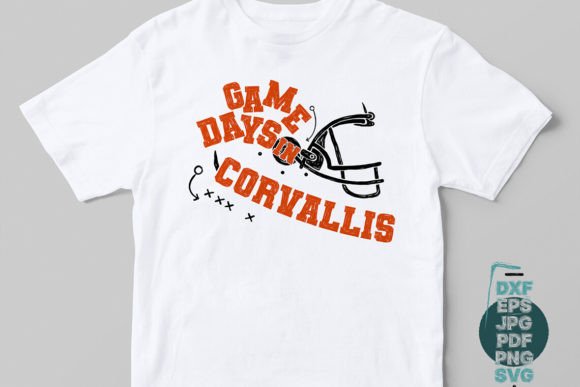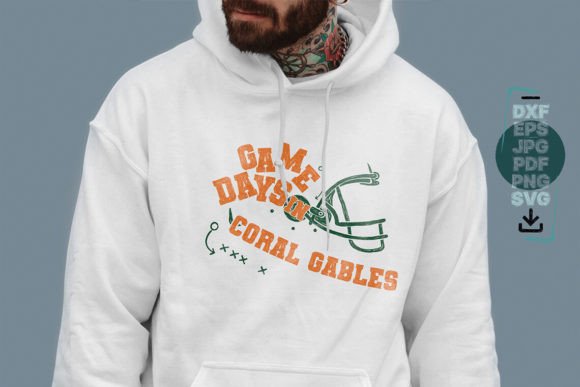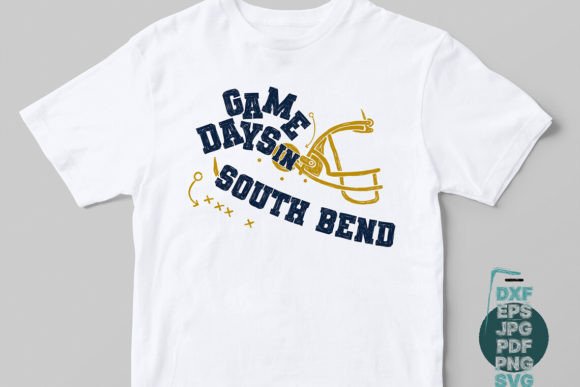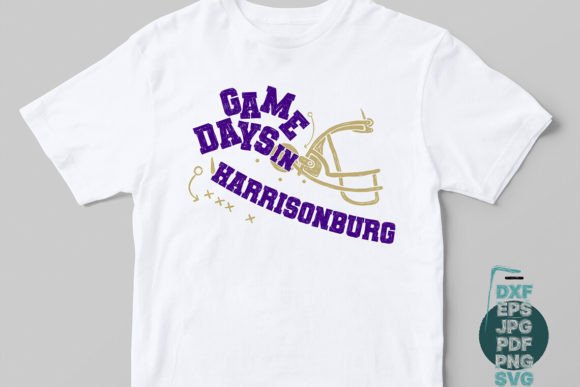
Game Days in Boulder: Capturing the Spirit of Colorado College Football
There is a distinct energy that settles over the Flatirons when autumn arrives. For locals and alumni alike, Game Days in Boulder represent more than just a football schedule; they are a cultural touchstone defined by golden aspens, crisp mountain air, and the collective roar of Folsom Field. This specific intersection of collegiate athletics and Colorado’s natural beauty creates an aesthetic that is highly sought after by creators, small business owners, and fans who want to celebrate this tradition authentically. Whether you are designing merchandise for a tailgate, creating content for a university blog, or simply decorating a home office with local pride, having access to high-quality digital assets is essential for capturing that unique atmosphere.
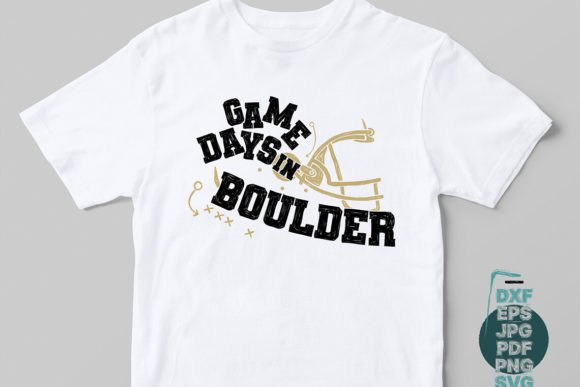
The "Game Days in Boulder" digital collection serves as a versatile toolkit for these moments. Rather than relying on generic sports clip art or low-resolution screenshots, this resource provides professional-grade vector and raster files tailored to the specific visual identity of Colorado college football. Understanding how to leverage these six included file formats—SVG, DXF, EPS, PDF, PNG, and JPG—allows users across different disciplines to produce work that feels polished, intentional, and respectful of the source material.
Practical Applications for Creators and Small Businesses
For entrepreneurs and makers, the value of this listing lies in its technical versatility. The inclusion of both SVG and DXF files is particularly significant for those operating Cricut, Silhouette, or laser engraving machines. These vector-based formats allow for infinite scaling without pixelation, which is critical when producing physical goods. A vendor at a Boulder farmers market might use the DXF file to cut intricate vinyl decals for water bottles, while a custom apparel shop could utilize the SVG to create heat-transfer designs for t-shirts and hoodies.
Because vectors rely on mathematical paths rather than pixels, the lines remain crisp whether the design is two inches wide or two feet wide. This flexibility eliminates the guesswork often associated with resizing images for production. Furthermore, having the EPS format ensures compatibility with professional design software like Adobe Illustrator or CorelDRAW. Graphic designers working on larger commercial projects, such as signage for a sports bar or promotional banners for a campus event, can open the EPS file to modify colors, adjust typography, or integrate the artwork into complex layouts without losing quality.
Digital Content and Marketing Use Cases
Not every application requires a cutting machine. For bloggers, social media managers, and digital marketers, the PNG and JPG files included in the ZIP archive offer immediate utility. The PNG format, typically provided with a transparent background, is ideal for overlaying onto website headers, YouTube thumbnails, or Instagram stories. This transparency allows the design to blend seamlessly with existing brand colors or photography, maintaining a cohesive visual identity across platforms.
Consider a real estate agent specializing in Boulder properties who wants to highlight the neighborhood's proximity to stadium events during the fall season. Using the high-resolution JPG in a newsletter or listing presentation adds a layer of lifestyle context that resonates with potential buyers looking for that quintessential college town experience. Similarly, educators or university staff might use these files to enhance presentations, orientation materials, or alumni communications. The PDF format serves as a reliable middle ground here, offering a printable, high-quality option that maintains formatting integrity regardless of the device used to view it.
Navigating Technical Requirements and File Management
Before purchasing or downloading this instant download package, it is important to understand the delivery method. The files are compressed into a single ZIP folder to ensure efficient transfer and organization. Users must have extraction software such as WinZIP, WinRAR, or the native unzipping tools built into modern Windows and macOS systems. This step is non-negotiable; the individual SVG, DXF, EPS, PDF, PNG, and JPG files cannot be accessed until the archive is extracted.
For those new to digital design resources, this workflow might seem like an extra hurdle, but it actually protects file integrity. Compressing the files prevents corruption during download and keeps all related assets in one organized location. Once extracted, we recommend renaming the files descriptively if you plan to use them frequently. Instead of generic filenames, saving them as "Boulder-GameDay-SVG-CutFile" or "CO-Football-PNG-Transparent" can save significant time when searching through asset libraries later.
It is also wise to verify software compatibility before starting a project. While SVG is widely supported, some older versions of crafting software may require specific settings to read DXF files correctly. Similarly, EPS files are industry standards for print but may not open natively in basic photo viewers. Knowing your toolset beforehand ensures that the "instant" nature of the download translates into immediate productivity rather than troubleshooting sessions.
Contextual Relevance and Seasonal Timing
The timing of when you use these assets matters as much as how you use them. Game Days in Boulder are seasonal, and audience engagement peaks during specific windows. Late August through November represents the prime period for content creation and merchandise sales. Planning ahead is key; successful sellers and content creators often prepare their designs in July or early August to capture early-season enthusiasm and back-to-school traffic.
However, the appeal of this aesthetic extends beyond the regular season. Bowl games, spring scrimmages, and alumni homecoming events provide secondary opportunities to utilize these assets. Evergreen content focusing on Boulder nostalgia or general Colorado pride can perform well year-round, especially when targeting audiences who have moved away from the area but retain strong emotional connections to game day traditions. The versatility of the file types supports this long-tail usage; a design used for a fall t-shirt can easily be repurposed as a winter holiday card or a spring fundraiser flyer with minimal adjustment.
Evaluating Quality and Authenticity
When selecting digital assets representing a specific locale like Boulder, authenticity drives engagement. Generic football graphics lack the geographic markers that trigger recognition and emotional response. This collection’s focus on the specific interplay between the university setting and the Colorado landscape provides that necessary specificity. Before applying these files to a commercial product or public campaign, consider whether the style aligns with your intended message. Is the goal to evoke rowdy stadium energy or serene mountain appreciation? The artwork should complement, not contradict, your broader narrative.
Additionally, users should always review licensing terms associated with instant downloads. Understanding whether a file is cleared for personal use only or includes commercial rights is critical for avoiding legal issues. Responsible creators respect intellectual property boundaries while maximizing the creative potential of the tools available. When used correctly, these six files offer a bridge between digital convenience and tangible celebration, allowing anyone from a hobbyist crafter to a professional marketer to participate in the enduring legacy of Game Days in Boulder with confidence and quality.