I Can't My Kids Have Practice a Game: Turning Frustration into Fun Learning Opportunities
Parents often find themselves repeating phrases like, "I can't my kids have practice a game," when trying to encourage educational or skill-building activities. This common sentiment reflects the challenge of motivating children to engage in meaningful practice without resistance. The good news is that turning this frustration into a positive experience is entirely possible—with the right approach and a bit of creativity.
Understanding the Challenge
When children resist practice—whether it's for math, reading, music, or sports—it's not always about defiance. Often, it's a reaction to how the practice is presented. Traditional methods can feel monotonous or disconnected from a child's interests, leading to disengagement. The key is to make practice feel less like a chore and more like a choice they want to make.
What Is "I Can't My Kids Have Practice a Game"?
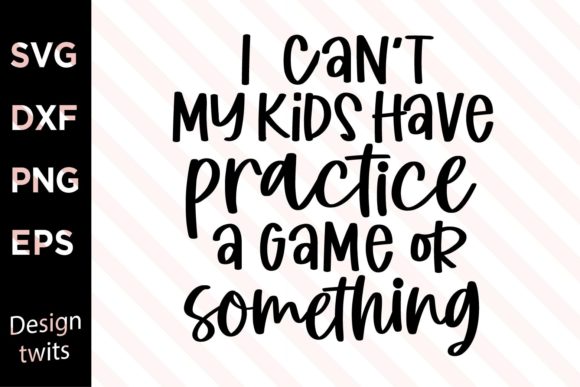
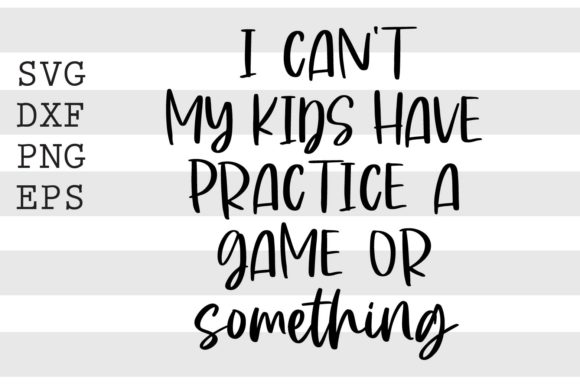
The phrase "I can't my kids have practice a game" is often used humorously or ironically by parents who struggle to get their children to engage in structured learning or skill-building activities. It captures the exasperation of trying to encourage practice while facing resistance. However, it also hints at a solution: if kids are more likely to engage in games than drills, why not combine the two?
Why Game-Based Practice Works
Games naturally encourage repetition, strategy, and problem-solving—core elements of effective learning. When kids play games that incorporate educational content, they're more likely to stay engaged and retain information. The competitive or goal-oriented nature of games can also foster resilience and a growth mindset, especially when they’re encouraged to try again after a setback.
Practical Applications of Game-Based Learning
Here are several ways to incorporate game-based practice into everyday learning:
- Math Skills: Use board games like Monopoly or digital apps like Prodigy to reinforce arithmetic, budgeting, and logic.
- Reading and Vocabulary: Try word games like Scrabble, Bananagrams, or online platforms like Lexia.
- Music Practice: Apps like Simply Piano or Yousician gamify learning an instrument.
- Physical Coordination: Active games like Twister, obstacle courses, or even video games like Just Dance help with motor skills and balance.
Designing Your Own Practice Games
You don’t need a store-bought game to make practice fun. Simple homemade games can be just as effective—and more personalized. Here are a few ideas:
- Flashcard Race: Set a timer and challenge your child to answer as many flashcards as possible before time runs out. Track progress and celebrate improvements.
- Spelling Scavenger Hunt: Hide letters around the house and ask your child to find them to spell specific words.
- Math in the Kitchen: Turn cooking into a math lesson by measuring ingredients, doubling recipes, or estimating cooking times.
Customizing the Experience
Every child is different. Some may thrive on competition, while others may prefer collaborative or solo challenges. Consider your child’s personality when designing or selecting games:
- Competitive learners: Introduce leaderboards, points, or small rewards.
- Collaborative learners: Play as a team and work toward a shared goal.
- Independent learners: Offer self-paced digital games or puzzles.
Making It a Routine
Consistency is key when using games for practice. Incorporate game-based learning into your daily or weekly routine to build familiarity and expectation. For example:
- Set aside 15–20 minutes after school for a quick game session.
- Use weekends for family game nights that double as learning opportunities.
- Offer a choice of games to give kids a sense of control and investment.
Great for Mugs and T-Shirts: Embracing the Humor
The phrase "I Can't My Kids Have Practice a Game" has also become a popular slogan on mugs, t-shirts, and other parent-centric merchandise. It’s a lighthearted way for parents to acknowledge the daily struggle of encouraging practice while finding humor in the chaos. These items can serve as conversation starters or bonding tools among parents who understand the challenge all too well.
Why This Phrase Resonates
Parents love this phrase because it reflects a universal truth: getting kids to practice anything can be tough. But it also hints at a deeper understanding—practice doesn’t have to be rigid or boring. By embracing the phrase on apparel or decor, parents remind themselves to stay flexible and creative in their approach.
Tools and Resources to Try
If you're looking to get started with game-based learning, here are a few recommended resources:
- Apps: Duolingo (language), Osmo (STEM), and Thinkrolls (logic).
- Board Games: Sequence, Guess Who?, and Zingo.
- Online Platforms: ABCmouse, Khan Academy Kids, and SplashLearn.
Final Thoughts
When parents say, "I can't my kids have practice a game," they’re not just venting—they’re pointing to a real opportunity. By reframing practice as play, we can reduce resistance and increase engagement. Whether through digital tools, homemade games, or family-friendly board games, there are countless ways to turn learning into something your kids will actually look forward to. And if you need a reminder to keep your sense of humor intact, a mug or t-shirt with the phrase might be just what you need to stay motivated.