Game Button. Cartoon Ui Element on Woode: A Practical Guide for Designers and Creators
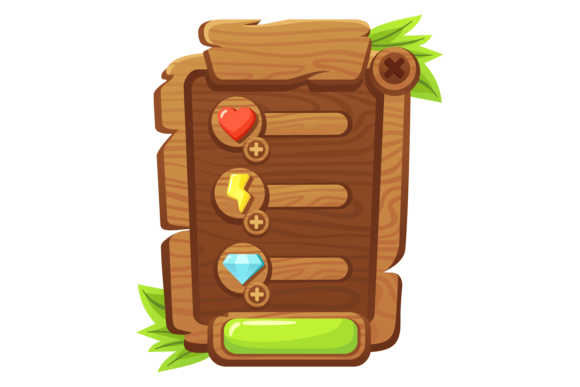
Design elements play a crucial role in shaping the visual language of digital and print projects. Among the many UI components available, the Game Button. Cartoon Ui Element on Woode stands out as a versatile and expressive asset. This stylized button, rendered in a cartoon aesthetic on a wooden panel and often isolated on a white background, offers a blend of playfulness and professionalism. It’s especially useful in contexts where a tactile or organic feel is desired, such as educational apps, gaming interfaces, or creative branding materials.
Understanding the Role of Game Button. Cartoon Ui Element on Woode
The Game Button. Cartoon Ui Element on Woode serves both a functional and aesthetic purpose. At its core, it acts as a clickable or interactive element in digital interfaces. However, its cartoon design and wooden texture add character, making it more engaging than standard flat UI buttons. This dual functionality makes it suitable for use in a variety of platforms, including mobile apps, websites, e-learning modules, and even print-based promotional materials.
Designers often incorporate this element when they want to evoke a sense of warmth, craftsmanship, or nostalgia. The wooden texture suggests authenticity, while the cartoon style keeps the tone light and approachable. This combination is particularly effective in projects targeting younger audiences, creative entrepreneurs, or niche markets that value artisanal aesthetics.
Integrating the Game Button into Project Workflows
Whether you're a web developer, graphic designer, educator, or marketer, the Game Button. Cartoon Ui Element on Woode can be integrated into your workflow at various stages. Here’s how it can be used effectively:
- During the design phase – Use the button as a placeholder or final UI component in mockups and prototypes. Its availability in multiple formats (EPS, JPG, SVG, and transparent PNG) ensures compatibility with tools like Adobe Photoshop, Illustrator, Figma, and Sketch.
- At the development stage – Developers can export and implement the button directly into HTML/CSS or mobile app frameworks. SVG format is especially useful for responsive design, as it scales without loss of quality.
- In post-launch updates – If you're refreshing an existing interface or A/B testing new visuals, the button can be swapped in quickly to gauge user engagement and interaction rates.
Use Cases Across Industries
The versatility of the Game Button. Cartoon Ui Element on Woode allows it to fit into a wide range of applications:
- E-learning platforms – Use it as a “Start Lesson” or “Next Section” button to make navigation more engaging for students.
- Mobile games – Integrate the button into menus or in-game interfaces to maintain a consistent visual theme that aligns with the game’s art style.
- Branding and marketing – Incorporate the element into promotional banners or landing pages for brands with a rustic, handmade, or playful identity.
- Portfolio websites – Designers and illustrators can use this button to guide visitors to their portfolio, contact form, or downloadable resources.
Compatibility and File Format Considerations
One of the strengths of the Game Button. Cartoon Ui Element on Woode is its availability in multiple file formats. Each format has its own use case and advantages:
- SVG – Ideal for web use due to its scalability and small file size. Perfect for responsive websites and animations.
- EPS – Best for print materials or vector-based illustrations that require high resolution.
- JPG – Useful when transparency isn’t needed and file size is a concern.
- PNG with transparency – The go-to choice for digital interfaces where the button needs to blend seamlessly into various background designs.
Before using the element, ensure it aligns with your project’s technical requirements. For instance, if you're building a web application, prioritize SVG for performance and scalability. For print or high-resolution mockups, EPS or high-quality PNG files will yield the best results.
Workflow Tips for Smooth Integration
Here are some practical tips to help you incorporate the Game Button. Cartoon Ui Element on Woode efficiently into your workflow:
- Organize your assets – Keep all versions of the button (SVG, EPS, JPG, PNG) in a clearly labeled folder within your project directory. This helps with version control and quick access during development.
- Test for usability – Ensure the button is large enough to be tapped comfortably on mobile devices. Consider its placement in relation to other UI elements to avoid visual clutter.
- Maintain visual consistency – If you're using multiple UI elements, match the style and color palette of the Game Button to the rest of your interface to maintain a cohesive design language.
- Optimize for performance – Especially with SVGs, clean up unnecessary code or layers to reduce load times and ensure smooth rendering.
Long-Term Use and Scalability
When selecting UI elements like the Game Button. Cartoon Ui Element on Woode, it's important to think beyond the current project. Will this asset remain relevant as your brand or product evolves? Here are a few considerations:
- Brand alignment – If your brand identity shifts toward a more minimalist or high-tech aesthetic, you may need to update or phase out this button. However, its timeless charm makes it adaptable to many themes.
- Reusability – Save the button in your design system or UI kit so it can be reused across multiple projects. This helps maintain consistency and reduces redundant work.
- Licensing – Always verify the licensing terms of the asset, especially if you're using it in commercial products. Make sure you have the right to modify, distribute, and reuse it as needed.
Final Thoughts on Implementation
The Game Button. Cartoon Ui Element on Woode is more than just a decorative icon. It’s a functional design asset that can enhance user interaction and visual storytelling. Whether you're building a game, designing a website, or creating educational materials, this button can serve as a bridge between usability and aesthetic appeal.
By understanding its formats, use cases, and integration points, you can ensure that the element enhances your project without causing technical or visual friction. As with any design tool, the key lies in thoughtful application—knowing when and how to use it to support your overall goals.