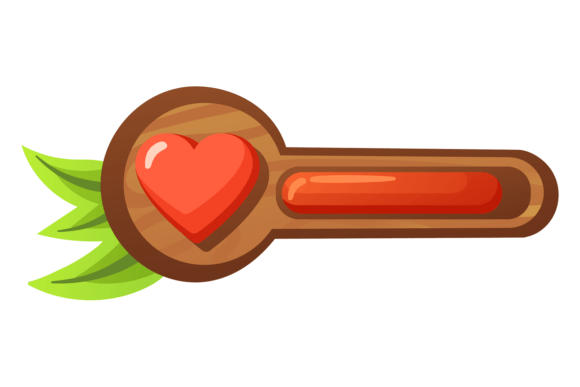
Understanding the Health Bar Cartoon GUI Element in Game Interface Design
When designing a compelling and user-friendly game interface, one of the most recognizable and essential elements is the health bar cartoon GUI element. This visual component not only communicates a player's current status but also enhances the immersive experience through its stylistic integration into the game world. Whether you're a game developer, designer, educator, or simply a curious enthusiast, understanding how the health bar cartoon GUI element functions within a game interface (Game Int) can provide valuable insight into the psychology of game design and player engagement.
Visual Identity and Design Language
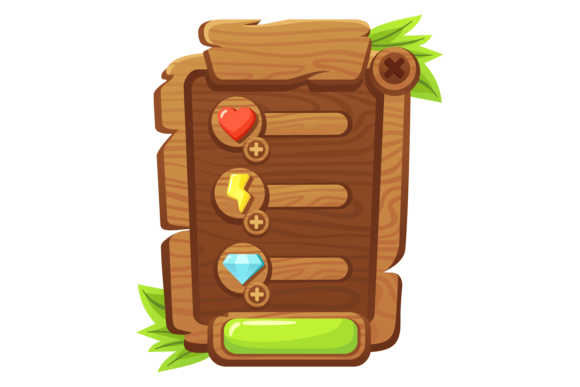
The health bar, particularly when stylized as a cartoon element, serves a dual purpose: it's functional and expressive. Unlike minimalist or realistic health indicators, cartoon-style bars often incorporate exaggerated shapes, vibrant colors, and playful animations. These design choices are not arbitrary; they align with the overall aesthetic of the game and help reinforce the tone—be it humorous, adventurous, or fantastical.
For example, a game targeting younger audiences or featuring a lighthearted narrative might use a health bar that resembles a smiling jelly or a bouncing fruit. These cartoon GUI elements are typically created as vector graphics (SVG), high-resolution JPGs, or EPS files to ensure scalability and clarity across various screen sizes. Transparent PNGs are also widely used to allow seamless integration over dynamic backgrounds without visual clutter.
Functional Integration in Game Int
In any game interface (Game Int), the placement and behavior of the health bar must be intuitive. The health bar cartoon GUI element is usually positioned in a corner of the screen—often the top left or right—to remain visible without obstructing gameplay. Its animation and color transitions (e.g., from green to red as health depletes) provide instant visual feedback, which is crucial for fast-paced games.
Moreover, the cartoon style allows for creative interactions. For instance, when a player takes damage, the bar might shake, shrink, or emit a puff of smoke—adding a tactile dimension to an otherwise abstract concept. These micro-interactions are key to making the player feel connected to the game environment.
Use Cases Across Game Genres
The versatility of the health bar cartoon GUI element makes it suitable for a wide range of game genres. Let’s explore a few examples:
- Platformers: In games like Super Mario or Rayman, cartoon health bars often reflect the whimsical tone of the game world. They may feature icons like stars or hearts instead of traditional numerical values.
- Role-Playing Games (RPGs): Even in more serious RPGs, cartoon-styled health bars can be used to differentiate characters or classes, especially in party-based systems.
- Mobile Games: On smaller screens, clarity is essential. Cartoon-style bars with bold outlines and contrasting colors ensure readability even in bright outdoor conditions.
- Indie Titles: Independent developers often rely on stylized GUI elements to create a unique visual identity. A custom cartoon health bar can become a signature design element that sets the game apart from competitors.
Accessibility and Player Feedback
One of the core responsibilities of any game interface (Game Int) is to provide clear and accessible feedback. The health bar cartoon GUI element plays a vital role in this context. For players with color vision deficiencies, alternative indicators—such as symbols or animations—can be layered over the traditional color gradient to ensure inclusivity.
Additionally, audio cues and haptic feedback can be synchronized with visual changes in the health bar, creating a multi-sensory experience. This kind of layered feedback is especially important in games where quick reactions are required, such as action-adventure or survival titles.
Technical Implementation and Asset Formats
From a technical standpoint, the health bar cartoon GUI element must be designed with flexibility in mind. Developers often use vector formats like SVG to allow for easy scaling and modification. For games targeting multiple platforms, exporting the health bar in various formats—such as JPG for static previews, EPS for print or design mockups, and transparent PNGs for in-game use—ensures compatibility across tools and engines.
Modern game engines like Unity and Unreal Engine support dynamic UI systems where health bars can be scripted to change in real time based on gameplay events. This opens the door for advanced features such as:
- Dynamic color transitions based on health percentage
- Animated effects like pulsing, flashing, or particle bursts
- Interactive elements that respond to player input or in-game events
- Customizable skins or themes that allow players to personalize their interface
Design Considerations and Best Practices
While creativity is encouraged in GUI design, there are several best practices to keep in mind when implementing a health bar cartoon GUI element:
- Consistency: Ensure the health bar’s style matches the overall visual language of the game. A mismatched GUI can break immersion.
- Clarity: Even with a cartoon aesthetic, the health bar should be easy to read at a glance. Avoid overly complex designs that obscure the current health status.
- Responsiveness: The health bar should update in real time without lag. Delays or jittery animations can confuse players and reduce trust in the interface.
- Scalability: Design the health bar with multiple resolutions and aspect ratios in mind. A UI that looks great on a desktop might be unreadable on a mobile screen.
Future Trends in Health Bar Design
As technology evolves, so too does the potential for more sophisticated and expressive GUI elements. Emerging trends in the design of the health bar cartoon GUI element include:
- Procedural Animation: Using AI or procedural tools to generate dynamic animations that respond to in-game events in real time.
- Personalization: Allowing players to customize the appearance of their health bar, either through in-game rewards or community-created content.
- Augmented Reality (AR) Integration: In AR games, health bars may appear as floating elements in the player’s real-world environment, requiring innovative design approaches.
- Contextual Adaptation: Health bars that change appearance based on the current game state—such as dimming in stealth sections or glowing during combat.
These trends reflect a growing emphasis on creating interfaces that are not only functional but also deeply integrated into the storytelling and emotional arc of the game.
Conclusion Through Context
The health bar cartoon GUI element may seem like a small component within the broader scope of game interface (Game Int) design, but its impact on player experience is significant. From visual storytelling to functional clarity, this element bridges the gap between the player and the virtual world. As games continue to evolve, so too will the design and implementation of GUI components like the health bar, pushing the boundaries of what’s possible in digital interaction.