Level Selection and Button Game UI Set: Enhancing Player Experience Through Intuitive Design
Creating an engaging and immersive game experience starts with thoughtful user interface (UI) design. One of the most critical components of this design is the Level Selection and Button Game UI Set, which plays a pivotal role in guiding players through a game’s structure and functionality. Whether you're developing a mobile puzzle game or a complex narrative-driven title, the right UI elements can make the difference between a frustrating experience and a seamless one.
What Is a Level Selection and Button Game UI Set?
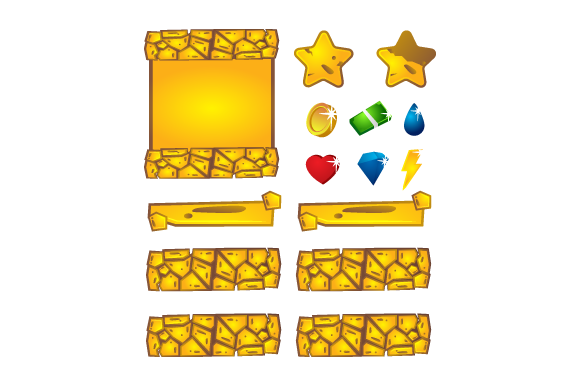
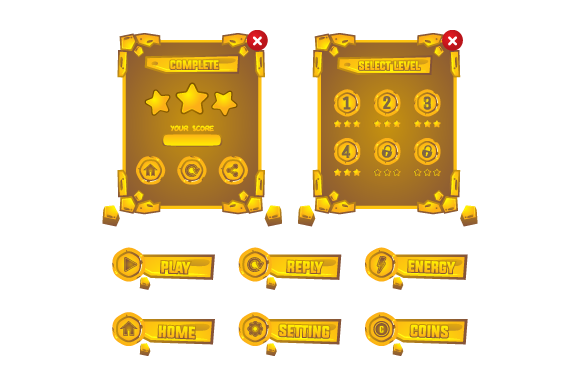
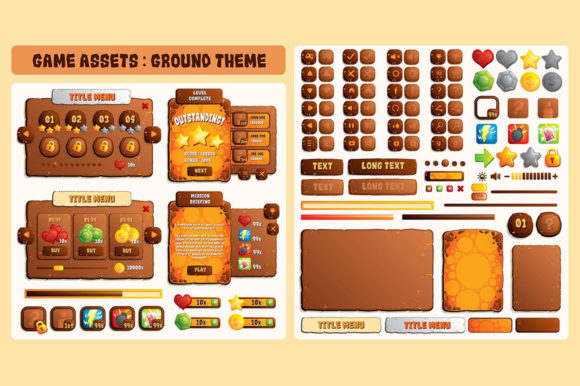
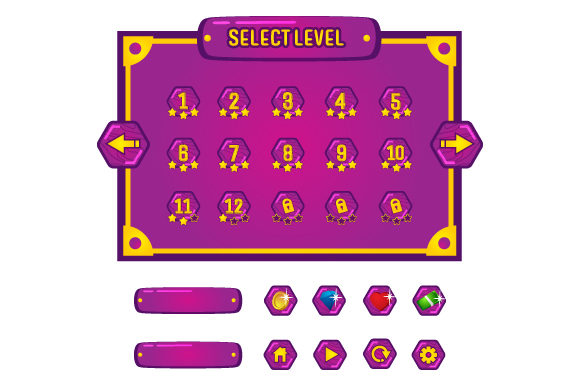
A Level Selection and Button Game UI Set is a collection of graphical elements used to facilitate navigation and interaction within a game. These sets typically include level icons, progress indicators, buttons for actions (like "Start," "Retry," or "Menu"), and visual cues that guide players through different stages of gameplay. The UI set is often delivered in multiple formats such as AI, EPS, JPG, and PNG, making it adaptable for various development environments and screen resolutions.
Common Challenges in Game UI Design
Designing an effective UI comes with its own set of challenges. Developers often struggle with:
- Clarity: Ensuring players can quickly understand how to navigate the game.
- Consistency: Maintaining a uniform look and behavior across all UI elements.
- Scalability: Creating assets that work well on different devices and screen sizes.
- User Engagement: Balancing aesthetics with functionality to keep players immersed.
These issues are especially relevant when designing for mobile platforms, where screen space is limited and touch interactions must be intuitive.
How Level Selection and Button Game UI Sets Address These Challenges
A well-designed Level Selection and Button Game UI Set offers a structured approach to solving these problems. By providing pre-designed assets that are both visually appealing and functionally sound, developers can streamline the design process and ensure a more cohesive player experience. For example:
- Visual Hierarchy: The UI set can guide players’ attention to the most important elements, such as the "Start Level" button or a newly unlocked stage.
- Responsive Design: Vector-based formats like AI and EPS ensure that buttons and icons remain sharp and functional on all screen sizes.
- Progress Tracking: Level selection screens can include visual indicators of progress, achievements, or locked content, encouraging players to continue playing.
Practical Applications of UI Sets in Game Development
Implementing a Level Selection and Button Game UI Set can significantly reduce development time and improve the overall quality of your game. Here are a few practical applications:
- Mobile Puzzle Games: Use level selection screens to display unlocked levels, stars earned, and hints available.
- Adventure Games: Integrate navigation buttons that allow players to switch between maps, inventory, and gameplay.
- Educational Apps: Design progress-based UIs that show completed lessons or quizzes.
- Multiplayer Games: Include quick-access buttons for matchmaking, leaderboards, and social features.
Recommendations for Choosing the Right UI Set
Not all UI sets are created equal. When selecting a Level Selection and Button Game UI Set, consider the following factors:
- Style Compatibility: Ensure the design style matches your game’s overall aesthetic—whether it's minimalist, cartoonish, or realistic.
- File Formats: Look for sets that include AI, EPS, JPG, and PNG files for maximum flexibility in editing and implementation.
- Customizability: Choose a set that allows for easy color, size, and layout adjustments to fit your specific game needs.
- Scalability: Opt for vector-based assets that can scale without losing quality, especially if your game will be available on multiple platforms.
How Different Users Approach UI Design
Game developers come from diverse backgrounds, and their approach to using a Level Selection and Button Game UI Set can vary widely:
- Indie Developers: Often look for cost-effective, ready-made UI sets that can be quickly integrated into their projects without requiring extensive graphic design skills.
- Studio Designers: May use UI sets as a foundation and then customize them extensively to align with brand guidelines and in-game art styles.
- UI/UX Specialists: Focus on usability testing and may adapt UI sets to meet accessibility standards or player feedback.
Regardless of the approach, the goal remains the same: to create a UI that enhances the gameplay experience without overwhelming the player.
Maximizing the Value of Your UI Set
To get the most out of your Level Selection and Button Game UI Set, consider these best practices:
- Iterate Based on Feedback: Test your UI with real players and make adjustments based on their experience.
- Use Consistent Visual Language: Maintain a uniform color scheme, typography, and icon style throughout the game.
- Optimize for Performance: Compress image files where possible and ensure that UI elements don’t cause lag or loading delays.
- Document Your Assets: Keep a clear record of which UI elements are used where, especially if you're working in a team environment.
Conclusion: Elevating Your Game with the Right UI Tools
In the competitive world of game development, a polished and intuitive user interface can be a major differentiator. A high-quality Level Selection and Button Game UI Set not only saves time but also ensures that players have a smooth and enjoyable experience from the moment they launch your game. By choosing the right tools, customizing them thoughtfully, and testing for usability, you can create a game interface that supports your gameplay goals and keeps players coming back for more.