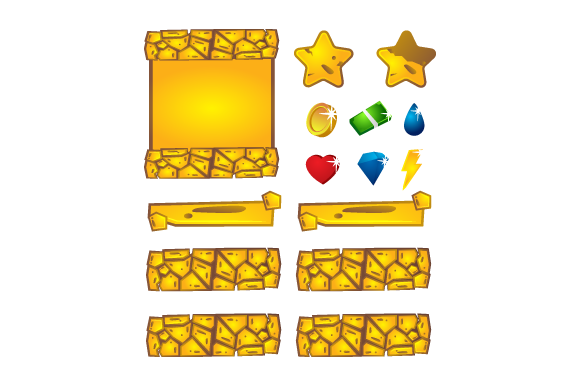
Rock Game Asset Pack Design Vector: A Comprehensive Guide for Creators and Developers
Understanding Rock Game Asset Pack Design Vector
The Rock Game Asset Pack Design Vector is a versatile collection of digital assets tailored for game developers, designers, and creators working across various platforms. These assets are designed using vector graphics, which means they can be scaled infinitely without losing quality. This makes them ideal for both high-resolution displays and responsive design needs in modern game development.
Each Rock Game Asset Pack Design Vector includes a range of elements such as rock formations, boulders, terrain textures, and decorative elements. They are often provided in multiple file formats, including AI, EPS, JPG, and PNG, ensuring compatibility with a wide array of design software and development environments. The ability to isolate these assets on a white background further enhances their usability, especially when integrating into layered compositions or UI/UX design workflows.
Key Features of Rock Game Asset Packs
What sets the Rock Game Asset Pack Design Vector apart from generic graphic resources is its focus on modularity and adaptability. These packs are not just static images; they are building blocks that can be manipulated, combined, and customized to suit a variety of game genres and visual styles.
- Scalable Vector Graphics: The vector-based format ensures that assets remain crisp and clear at any size, which is essential for both mobile and desktop applications.
- Versatile File Formats: With AI and EPS files for editing and high-quality printing, and JPG and PNG for quick integration into game engines, developers have the flexibility to work in their preferred environment.
- Isolated Elements: Assets are often presented on a white background, making it easy to extract and place them into different scenes without the need for extensive post-processing.
- Modular Design: Each element can be used independently or combined with others to create complex terrain systems, caves, or environmental features.
Practical Applications Across Game Development
Whether you're working on a 2D platformer, a 3D open-world adventure, or even an educational simulation, the Rock Game Asset Pack Design Vector offers a foundation for creating immersive environments. These assets are particularly useful for developers who need to rapidly prototype levels or build visually rich worlds without starting from scratch.
For indie developers, these packs can significantly reduce production time while maintaining a professional aesthetic. In educational settings, they serve as excellent tools for teaching students about game asset creation, environmental design, and asset optimization. Meanwhile, professional studios can use them as placeholders during early development stages or as base elements that can be enhanced with custom textures and animations.
Use Cases in Detail
Here are some specific ways the Rock Game Asset Pack Design Vector can be utilized effectively:
- Level Design: Use rock formations to create terrain layouts, cliffs, and cave systems that guide player movement and enhance gameplay dynamics.
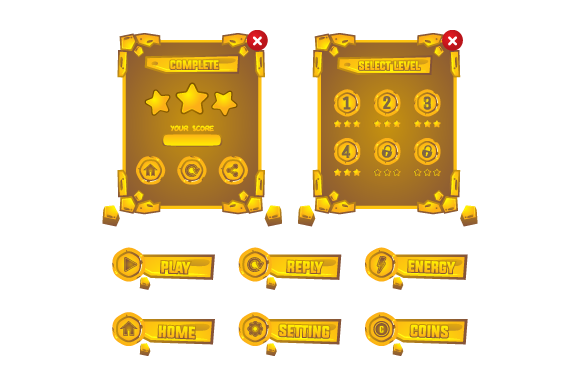
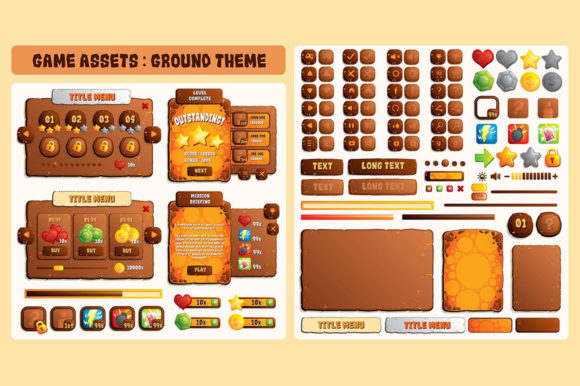
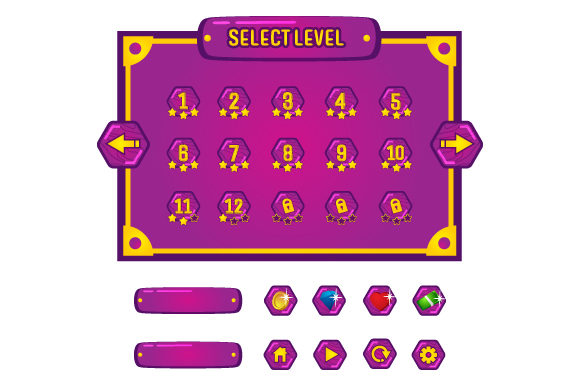
- UI/UX Elements: Incorporate stylized rock elements into menus, inventory screens, or map interfaces to maintain a consistent visual theme.
- Environmental Storytelling: Place weathered or broken rocks in strategic locations to imply past events, such as landslides or battles, without the need for explicit narration.
- Procedural Generation: Integrate vector assets into procedural algorithms to dynamically generate terrain features that feel organic and cohesive.
- Marketing Materials: Use high-quality isolated rock assets in promotional banners, social media graphics, or trailers to maintain a consistent brand aesthetic.
Advantages of Using Vector-Based Game Assets
One of the primary benefits of using the Rock Game Asset Pack Design Vector is the inherent flexibility of vector graphics. Unlike raster images, which are made up of pixels and can become blurry when scaled up, vectors use mathematical formulas to define shapes and lines. This ensures that every asset remains sharp and detailed, regardless of the display resolution.
Additionally, vector assets are easier to edit. Designers can adjust colors, outlines, and shapes without needing to redraw entire elements from scratch. This makes them ideal for iterative design processes where changes are frequent and necessary.
Performance Considerations
While vector graphics offer many visual benefits, it's important to consider how they perform within a game engine. Most modern engines can handle vector assets efficiently, especially when they are pre-rendered into optimized textures. However, for real-time vector rendering, developers should evaluate the engine's capabilities and ensure that performance remains smooth across target platforms.
Who Can Benefit from These Assets?
The Rock Game Asset Pack Design Vector is not limited to game developers alone. Its utility extends to a wide range of professionals and creators:
- Graphic Designers: For creating themed illustrations, icons, or backgrounds that align with game aesthetics.
- Educators: To teach students about vector graphics, game asset pipelines, and environmental design principles.
- 3D Artists: As reference material or base shapes for modeling rock structures in 3D software.
- Content Creators: For building visual assets for YouTube thumbnails, Twitch overlays, or streaming backgrounds that match game themes.
- Business Owners: Looking to develop branded games or interactive experiences that reflect a rugged or natural aesthetic.
How to Maximize the Value of Rock Game Asset Packs
To get the most out of the Rock Game Asset Pack Design Vector, creators should consider the following best practices:
- Customize and Combine: Don’t be afraid to mix and match elements from different asset packs to create unique combinations.
- Optimize for Performance: Convert vector assets into optimized PNGs or spritesheets where necessary to ensure smooth rendering in-game.
- Use Layered Compositions: Take advantage of the isolated nature of these assets to layer them with lighting effects, shadows, or particle systems for added depth.
- Document Your Workflow: Keep track of how you're using each asset to maintain consistency and streamline future updates.
- Stay Updated: Many asset creators release updates or expansions, so revisiting the pack periodically can yield new creative opportunities.
Choosing the Right Rock Asset Pack for Your Project
Not all Rock Game Asset Pack Design Vector offerings are created equal. When selecting a pack, consider the following factors:
- Style and Aesthetic: Ensure the pack matches the visual tone of your game—whether it’s realistic, cartoonish, or stylized.
- File Compatibility: Check that the included formats (AI, EPS, JPG, PNG) are compatible with your design and development tools.
- Number and Variety of Assets: A good pack should include a range of rock types, sizes, and angles to support diverse use cases.
- Licensing Terms: Make sure you understand the usage rights, especially if you're planning to use the assets in a commercial product.
- Community and Support: Consider packs that come with documentation, tutorials, or active community support for troubleshooting and inspiration.
Conclusion
The Rock Game Asset Pack Design Vector is a powerful resource for anyone involved in game creation, digital art, or interactive media. Its combination of scalability, flexibility, and ease of use makes it an essential tool for both beginners and experienced professionals. By understanding how to effectively integrate these assets into your workflow, you can enhance your projects with rich, detailed environments that captivate players and streamline development.