Casino Roulette and Gambling Dice Game Color: Understanding the Visual and Gameplay Elements
When exploring the visual and interactive components of casino games, two distinct elements often come into focus: Casino Roulette and the gambling dice game color iconography used in digital and print media. While they represent different aspects of the gaming experience, both play a crucial role in how players engage with and perceive gambling platforms. Casino Roulette is a well-known game of chance, while the gambling dice game color icon serves as a visual shorthand in marketing materials, game interfaces, and branding elements. Understanding how these two components intersect and diverge can help players and designers make more informed decisions about game selection and presentation.
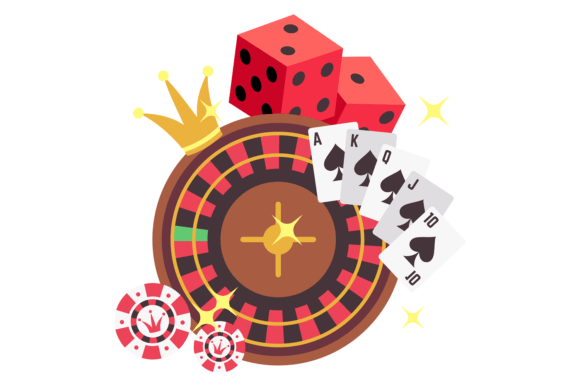
The gambling dice game color icon—often represented as a stylized die in vibrant hues—is commonly used to symbolize chance, randomness, and risk. These icons are available in multiple file formats such as EPS, JPG, SVG, and transparent PNG, making them versatile for web and print design. In contrast, Casino Roulette involves a spinning wheel, a ball, and a betting layout where players predict where the ball will land. The game itself is tactile and dynamic, offering a different kind of engagement than the static visual representation of a dice icon.
Visual Representation vs. Gameplay Mechanics
One of the primary distinctions between the gambling dice game color icon and Casino Roulette lies in their function. The former is a design element used to convey the concept of gambling in a visual context, while the latter is a fully interactive game with established rules and betting structures. Designers often use the dice icon to represent categories such as "games of chance" or "random outcomes" in user interfaces, infographics, or promotional content. This visual cue helps users quickly identify the nature of a service or game without needing detailed explanations.
On the other hand, Casino Roulette offers a structured experience where players place bets on numbers, colors, or combinations, and outcomes are determined by a physical or virtual wheel. The game’s mechanics are based on probability and randomness, similar to dice games, but the format and engagement are more extended and immersive. While the dice icon may be used to represent the game in a menu or app interface, the actual gameplay of Roulette involves a sequence of actions, including placing bets, spinning the wheel, and determining results.
Use Cases and Contextual Applications
The gambling dice game color icon is particularly useful in design contexts where space or clarity is a constraint. For example, in mobile app interfaces or website navigation, icons help users quickly locate functions or categories. A bright, well-designed dice icon can immediately signal the presence of games involving chance, especially in platforms offering multiple gambling options. Its availability in transparent PNG and SVG formats allows for seamless integration into various design systems without background interference.
In contrast, Casino Roulette thrives in environments where players seek sustained engagement and strategic betting. Whether played in a physical casino or through a digital platform, Roulette offers a more involved experience than the symbolic representation of a dice. It allows players to explore different betting strategies, such as inside and outside bets, and understand the odds associated with each. This makes it a preferred option for players who enjoy a balance of chance and decision-making.
Strengths and Limitations of Each Element
The gambling dice game color icon is highly effective in visual communication but has no gameplay value on its own. It serves as a symbol rather than a functional component of a game. Its strength lies in its simplicity and recognizability, making it ideal for branding, categorization, and UI design. However, it cannot replicate the experience of actual gameplay or offer any interactive benefits.
Casino Roulette, while offering a rich and engaging experience, may not be as visually intuitive in its presentation without the aid of icons or visual cues. Its complexity can be a barrier for new players unfamiliar with the betting layout or the rules of the game. Additionally, Roulette requires more time and attention than a quick visual scan, making it less suitable for users seeking immediate, lightweight interactions.
Choosing the Right Option Based on Context
When deciding between the use of a gambling dice game color icon and engaging with Casino Roulette, context is key. For designers and marketers, the icon is an essential tool for visual communication and user navigation. It helps categorize games, attract attention, and maintain a consistent visual language across platforms. Choosing the appropriate file format—such as SVG for scalability or transparent PNG for clean integration—ensures the icon serves its purpose effectively.
For players, Casino Roulette offers a more substantial and rewarding experience when time and engagement are priorities. It suits those who enjoy strategic betting and the thrill of watching the wheel spin. However, for users seeking a quick visual reference or a symbolic representation of chance, the dice icon remains the better choice.
Integration and Complementary Use
In many digital gambling platforms, these two elements work together to enhance the overall user experience. The gambling dice game color icon may appear in a game selection menu, guiding players to the Roulette section. Once selected, the player engages with the full mechanics of Casino Roulette, benefiting from both the intuitive design of the interface and the depth of the game itself.
- A transparent PNG dice icon can be used in promotional banners to highlight games of chance.
- SVG icons scale well for responsive web design, ensuring visual consistency across devices.
- JPG and EPS formats are ideal for print materials such as brochures or posters promoting Roulette events.
This integration demonstrates how visual design and gameplay mechanics can complement each other. The icon serves as a gateway, while the game provides the substance. When used thoughtfully, both contribute to a cohesive and user-friendly gambling experience.
Practical Considerations for Designers and Players
For designers, selecting the right version of the gambling dice game color icon depends on the intended use. Transparent PNGs are ideal for layered designs where background elements should remain visible, while SVG files offer scalability without loss of quality. JPG and EPS formats are better suited for high-resolution print applications.
Players, meanwhile, should consider their preferences when deciding whether to engage with Casino Roulette or explore other games represented by similar icons. Those who enjoy calculated risk and varied betting options will find Roulette to be a compelling choice. However, players seeking faster-paced or more visually driven experiences may gravitate toward games represented by the dice icon, especially in mobile or casual gaming environments.
Conclusion: Balancing Visual Appeal and Gameplay Depth
In summary, the gambling dice game color icon and Casino Roulette serve different but complementary roles in the world of gambling. The icon functions as a visual cue, enhancing navigation and design, while the game delivers an immersive and strategic experience. Depending on whether the priority is visual communication or gameplay engagement, users and designers can choose the appropriate element—or use them together to create a more effective and enjoyable platform.