Red Card and Yellow Card in Soccer Game
Understanding the significance of red and yellow cards in soccer is essential for players, coaches, and fans alike. These cards are more than just disciplinary tools—they shape the flow of a match, influence strategies, and can determine the outcome of a game. Whether you're watching a professional league or coaching a local team, knowing how these cards work gives you a deeper appreciation of the sport and its rules.
The Role of Red and Yellow Cards
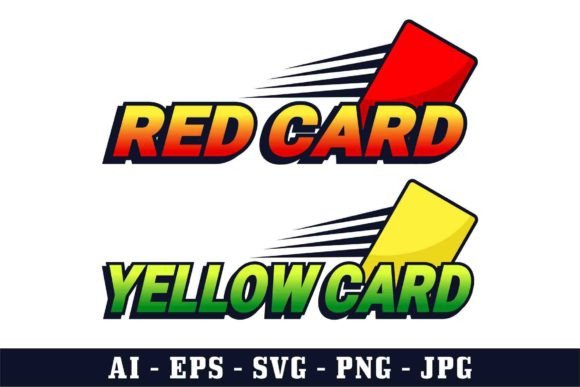
In soccer, referees use yellow and red cards to enforce fair play and maintain order on the field. A yellow card is a caution issued for minor offenses like unsporting behavior, dissent, or delaying the game. When a player receives two yellow cards in the same match, it results in a red card, which means they must leave the field and cannot be replaced. A red card can also be given directly for serious offenses such as violent conduct or denying an obvious goal-scoring opportunity.
These cards not only affect individual players but also the team's performance. Losing a player can drastically change the momentum of the game and force a team to adjust its tactics on the fly.
Design Elements Inspired by Soccer Cards
For designers and marketers, the visual language of red and yellow cards offers a compelling theme for branding and promotional materials. The bold colors and clear symbolism make them ideal for creating attention-grabbing graphics such as logos, banners, stickers, and social media assets. These design elements can be especially effective for sports-related campaigns, team branding, or merchandise.
This design pack includes a variety of file formats—AI, EPS, SVG, PNG, and JPG—ensuring compatibility with popular design software like Adobe Illustrator and CorelDRAW. Whether you're creating a digital ad or printing physical merchandise, these files provide flexibility and scalability for any project.
File Types and Their Uses
- AI and EPS: Best for vector-based editing in Adobe Illustrator and CorelDRAW, allowing for high-quality resizing without loss of clarity.
- SVG: Ideal for web use due to its scalability and small file size, especially on responsive websites.
- PNG: Offers transparent backgrounds and sharp visuals, perfect for overlay graphics or digital banners.
- JPG: Suitable for general image use, especially when file size is a consideration.
Applications Across Industries
These soccer-themed design elements can be applied in a variety of contexts beyond the pitch. Here are some practical uses across different fields:
Personal and Creative Projects
Freelancers, hobbyists, and creators can use these graphics to design custom merchandise, blog headers, or themed content for sports enthusiasts. The clear visual symbolism of red and yellow cards makes them a strong visual metaphor for warnings, calls to action, or dramatic emphasis.
Professional and Commercial Use
Businesses in the sports industry—like equipment retailers, training academies, or fan gear vendors—can incorporate these designs into marketing materials, product packaging, or promotional campaigns. Their bold aesthetic can help reinforce brand identity and attract attention in competitive markets.
Educational and Coaching Tools
Coaches and educators can use these graphics to illustrate rules, create informative posters, or develop digital content for training modules. The visual impact of these cards makes them effective teaching aids, especially for younger players or beginners learning the game's regulations.
Choosing the Right Format
Selecting the appropriate file format depends on your intended use. Vector formats like AI, EPS, and SVG are best for scalable graphics that need to maintain quality at any size. Raster formats like PNG and JPG are ideal for web or print use where resolution is already defined.
If you're working with print materials or large-format banners, SVG or AI files will give you the cleanest results. For digital platforms, PNG files with transparent backgrounds are highly versatile. JPGs are useful for quick sharing and lightweight visuals, though they may not offer the same level of clarity as PNGs.
Design Tips for Maximum Impact
To get the most out of these design elements, consider the following:
- Use contrast effectively: The bright red and yellow tones naturally stand out, so use them strategically to highlight key elements in your design.
- Pair with complementary visuals: Combine these cards with other soccer-related graphics like balls, cleats, or stadium silhouettes for a cohesive look.
- Keep it clean: Avoid overcrowding your design. Let the cards be the focal point when appropriate.
Technical Considerations
Before purchasing, ensure your system has the necessary software to open AI, EPS, SVG, PNG, and JPG files. Adobe Illustrator and CorelDRAW are required for vector editing, while SVG, PNG, and JPG files can be opened with most image viewers and editors. Files are typically delivered in ZIP or RAR format, so you may need a decompression tool like WinRAR or 7-Zip to access them.
Final Thoughts
The red and yellow card system in soccer is a powerful mechanism that influences the game both visually and strategically. Leveraging this imagery in design opens up a range of creative possibilities across personal, professional, and educational domains. With the right tools and approach, these design elements can elevate your visual content and deliver meaningful impact.